
What Are the Main Types of Building Materials?
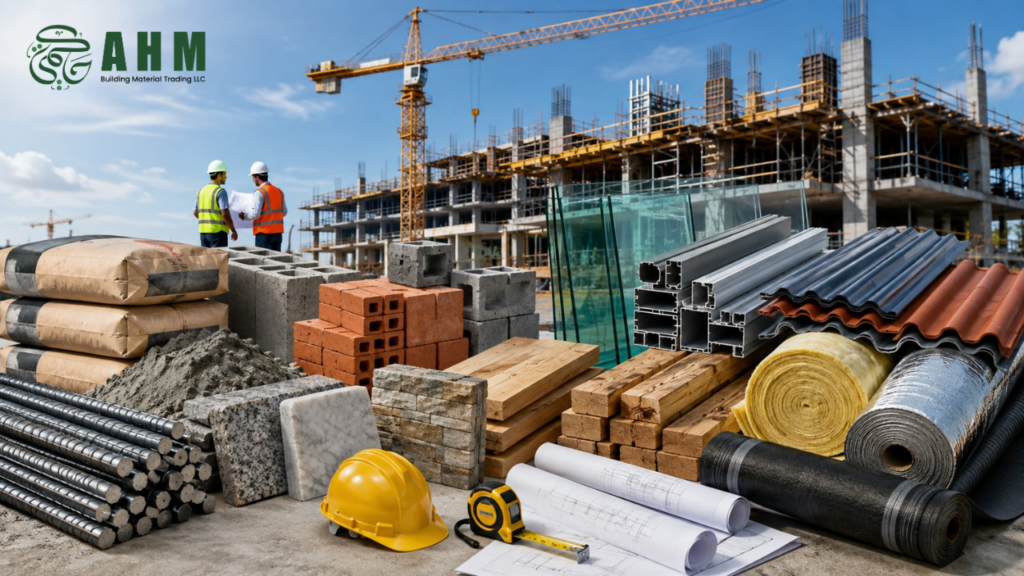
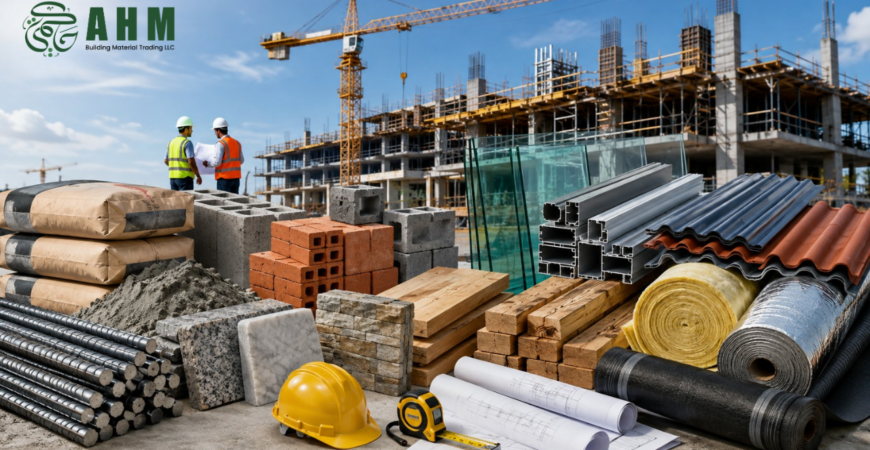
Types of Building Materials include a wide range of natural and manufactured products used to construct residential, commercial, and industrial structures. The most common types include cement, concrete, steel, bricks, stone, timber, glass, aluminium, roofing materials, waterproofing products, and insulation materials. Choosing high-quality building materials improves structural strength, safety, durability, and long-term project performance. At AHM BMT, we supply premium types of building materials and construction products across the UAE, helping contractors, builders, engineers, and businesses complete projects with confidence.
As a trusted supplier in the UAE, AHM BMT provides a comprehensive range of building materials, hardware tools, industrial products, safety equipment, and construction consumables. With a commitment to quality, competitive pricing, and dependable supply, AHM BMT supports contractors, engineers, architects, and procurement teams in delivering successful projects on time and within budget.
Whether you need to buy cement and concrete online for a small renovation or a large-scale construction project, partnering with a trusted supplier ensures consistent quality and reliable availability.
In this guide, you’ll learn about the major types of building materials, their properties, benefits, applications, and the key factors to consider when choosing the right materials for your next construction project.
Why Building Materials Are Important
Building materials are the foundation of every structure. Each material serves a specific purpose, from providing structural support to improving insulation, weather resistance, and overall appearance. Selecting suitable materials ensures that buildings remain safe, energy-efficient, and durable for decades.
Quality building materials offer several advantages:
- Improve structural strength and stability.
- Enhance fire and weather resistance.
- Reduce maintenance and repair costs.
- Increase the lifespan of buildings.
- Improve energy efficiency.
- Support sustainable construction practices.
- Increase property value.
On the other hand, using poor-quality materials can lead to cracks, water leakage, corrosion, and expensive repairs. Therefore, selecting materials from a trusted supplier like AHM BMT is a smart investment for any construction project.
Main Types of Building Materials
Modern construction uses a wide range of materials, each designed for specific structural or finishing applications. Understanding their characteristics helps builders and property owners select the most suitable products for their projects.
1. Cement
Cement is one of the most important construction materials and acts as the binding agent in concrete and mortar. It is manufactured by grinding limestone, clay, and other minerals into a fine powder. When mixed with water, cement hardens and binds other construction materials together, creating strong and durable structures.
It is widely used in residential, commercial, industrial, and infrastructure projects because of its excellent bonding properties and long-lasting performance.
Advantages of Cement
- Excellent binding strength
- High durability
- Long service life
- Suitable for almost every construction project
- Easy to mix with sand and aggregates
- Cost-effective building material
Common Applications
Cement is commonly used in:
- Building foundations
- Concrete production
- Brick masonry
- Floor screeding
- Plastering
- Road construction
- Bridge construction
- Industrial flooring
Choosing high-quality cement is essential for achieving strong and durable concrete structures. If you’re looking to buy cement and concrete online, AHM BMT offers reliable construction materials that meet industry standards while ensuring timely delivery across the UAE.
2. Concrete
Concrete is the backbone of modern construction and one of the most widely used building materials worldwide. It is produced by combining cement, sand, aggregates, and water to create a material capable of supporting heavy structural loads. Depending on project requirements, concrete may also include reinforcing steel or specialized additives to improve strength, durability, and performance.
Concrete is valued for its versatility and is suitable for everything from residential homes to skyscrapers, bridges, tunnels, and industrial facilities.
Benefits of Concrete
Concrete offers several advantages that make it indispensable in construction:
- Exceptional compressive strength
- Long service life
- Fire resistance
- Weather resistance
- Low maintenance
- Cost-effective for large-scale projects
- Excellent load-bearing capacity
Common Applications
Concrete is widely used for:
- Foundations
- Columns
- Beams
- Floor slabs
- Roads and highways
- Parking structures
- Retaining walls
- Bridges
- Dams
- Commercial and industrial buildings
Modern innovations such as reinforced concrete, precast concrete, lightweight concrete, and green concrete have further improved construction efficiency while supporting sustainable building practices.
3. Steel
Steel is one of the strongest and most reliable construction materials used in modern buildings. Its high tensile strength, flexibility, and durability make it the preferred choice for high-rise buildings, industrial facilities, bridges, warehouses, and commercial structures. Steel can withstand heavy loads and harsh environmental conditions while maintaining its structural integrity.
Another major advantage of steel is its recyclability. It can be reused multiple times without losing its strength, making it an environmentally responsible choice for sustainable construction.
Advantages of Steel
- High strength-to-weight ratio
- Excellent load-bearing capacity
- Fast and efficient installation
- Fire-resistant when properly protected
- Recyclable and eco-friendly
- Long service life
- Low maintenance
Common Applications
Steel is widely used in:
- Structural frameworks
- Reinforced concrete structures
- Roof trusses
- Industrial sheds
- Warehouses
- Commercial buildings
- Bridges
- Multi-storey buildings
Using certified structural steel improves safety and ensures compliance with construction standards.
4. Bricks
Bricks have been used in construction for centuries because of their strength, affordability, and durability. Even with the introduction of modern materials, bricks remain one of the most widely used materials for walls, partitions, and exterior facades.
Different types of bricks are available, including clay bricks, concrete bricks, engineering bricks, and fly ash bricks. Each type offers unique benefits depending on the project’s structural and environmental requirements.
Advantages of Bricks
- Excellent compressive strength
- Good thermal insulation
- Fire-resistant
- Durable and weather-resistant
- Low maintenance
- Cost-effective
- Attractive appearance
Common Applications
Bricks are commonly used for:
- Exterior walls
- Interior partitions
- Boundary walls
- Load-bearing walls
- Decorative facades
- Landscaping projects
Builders are also increasingly using AAC blocks as an alternative because they are lightweight and improve energy efficiency.
5. Natural Stone
Natural stone has been used in construction for thousands of years due to its unmatched durability and timeless appearance. Materials such as granite, marble, limestone, sandstone, and slate provide both structural strength and aesthetic appeal.
Stone requires minimal maintenance and offers exceptional resistance to weather, fire, and wear, making it suitable for both indoor and outdoor applications.
Advantages of Natural Stone
- Extremely durable
- Elegant appearance
- Fire-resistant
- Weather-resistant
- High compressive strength
- Long lifespan
- Low maintenance
Common Applications
Natural stone is commonly used in:
- Exterior cladding
- Flooring
- Staircases
- Countertops
- Landscaping
- Retaining walls
- Luxury interiors
Although natural stone has a higher initial cost than some alternatives, its longevity and premium finish make it a worthwhile investment.
6. Timber (Wood)
Timber is one of the oldest and most versatile building materials. It continues to play an important role in modern construction because it is lightweight, renewable, and easy to work with. Engineered wood products have further expanded its applications, providing improved strength and stability.
When properly treated, timber offers excellent durability and resistance to moisture and pests.
Advantages of Timber
- Lightweight yet strong
- Renewable and sustainable
- Good thermal insulation
- Easy to install and modify
- Attractive natural finish
- Cost-effective
Common Applications
Timber is widely used for:
- Roof structures
- Doors and windows
- Flooring
- Furniture
- Wall paneling
- Ceiling frameworks
- Decorative interiors
Engineered timber products are becoming increasingly popular in sustainable construction because they combine strength with environmental benefits.
7. Glass
Glass has transformed modern architecture by allowing natural light to enter buildings while enhancing their appearance. Today’s advanced glass products provide improved safety, energy efficiency, and sound insulation, making them suitable for residential and commercial projects.
Common varieties include tempered glass, laminated glass, insulated glass, and Low-E glass.
Advantages of Glass
- Maximizes natural lighting
- Enhances building aesthetics
- Supports energy efficiency
- Weather-resistant
- Easy to clean and maintain
- Available in multiple finishes
Common Applications
Glass is commonly used in:
- Windows
- Curtain walls
- Skylights
- Office partitions
- Balconies
- Storefronts
- Shower enclosures
Energy-efficient glazing systems help reduce cooling costs, making them especially valuable for buildings in the UAE.
8. Aluminium
Aluminium is a lightweight yet durable metal widely used in construction because of its corrosion resistance and low maintenance requirements. Its modern appearance and excellent performance make it suitable for both exterior and interior applications.
Advantages of Aluminium
- Rust-resistant
- Lightweight
- Durable
- Recyclable
- Easy to fabricate
- Minimal maintenance
- Long lifespan
Common Applications
Aluminium is used for:
- Doors
- Windows
- Curtain wall systems
- Roofing sheets
- Railings
- Cladding
- Structural glazing
Its resistance to corrosion makes aluminium particularly suitable for coastal and humid environments.
9. Roofing Materials
Roofing materials protect buildings from rain, sunlight, wind, and changing weather conditions. The right roofing system also improves energy efficiency and contributes to the overall durability of the structure.
Popular roofing materials include:
- Metal roofing
- Clay roof tiles
- Concrete roof tiles
- Asphalt shingles
- PVC roofing membranes
- Polycarbonate roofing sheets
Benefits of Quality Roofing Materials
- Superior weather protection
- Better thermal insulation
- Longer service life
- Lower maintenance costs
- Improved property value
Selecting roofing materials should be based on climate conditions, building design, durability, and maintenance requirements.
10. Flooring Materials
Flooring is an essential part of every building, influencing both functionality and aesthetics. Modern flooring materials are designed to withstand heavy traffic while providing comfort and visual appeal.
Popular flooring options include:
- Ceramic tiles
- Porcelain tiles
- Marble
- Granite
- Hardwood
- Vinyl flooring
- Epoxy flooring
- Polished concrete
Advantages of Quality Flooring
- High durability
- Easy maintenance
- Improved aesthetics
- Slip-resistant options
- Long service life
- Suitable for residential and commercial spaces
The choice of flooring depends on the building’s purpose, expected foot traffic, moisture exposure, and maintenance preferences.
11. Waterproofing Materials
Waterproofing materials protect buildings from water penetration, moisture damage, and structural deterioration. Without proper waterproofing, buildings can develop cracks, mold growth, corrosion of steel reinforcement, and weakened foundations. Applying the right waterproofing system during construction significantly increases the lifespan of the structure and reduces maintenance costs.
Common Waterproofing Materials
Some of the most widely used waterproofing materials include:
- Bituminous membranes
- Cementitious waterproofing
- Liquid waterproofing membranes
- Polyurethane coatings
- PVC waterproofing membranes
- Acrylic waterproof coatings
Benefits of Waterproofing
- Prevents water leakage
- Protects structural concrete
- Increases building lifespan
- Reduces maintenance costs
- Prevents mold and mildew
- Improves indoor air quality
Common Applications
Waterproofing materials are commonly used in:
- Roofs
- Basements
- Bathrooms
- Water tanks
- Balconies
- Foundations
- Swimming pools
- Underground structures
Investing in quality waterproofing during construction is always more economical than repairing water damage after project completion.
12. Insulation Materials
Insulation materials improve a building’s energy efficiency by reducing heat transfer and minimizing sound transmission. In regions like the UAE, where temperatures remain high for much of the year, insulation plays an important role in reducing cooling costs and maintaining indoor comfort.
Popular Insulation Materials
- Fiberglass
- Rock Wool
- Polyurethane Foam
- Expanded Polystyrene (EPS)
- Extruded Polystyrene (XPS)
- Cellulose Insulation
Benefits of Insulation
- Lower electricity consumption
- Improved thermal performance
- Better sound insulation
- Moisture resistance
- Reduced carbon footprint
- Comfortable indoor environment
Proper insulation contributes to sustainable construction while lowering long-term operational expenses.
13. Sustainable and Modern Building Materials
The construction industry is increasingly adopting environmentally friendly materials that reduce environmental impact while maintaining excellent structural performance. Sustainable construction not only supports green building initiatives but also helps reduce operating costs throughout a building’s lifecycle.
Examples of Sustainable Building Materials
- AAC Blocks
- Fly Ash Bricks
- Green Concrete
- Recycled Steel
- Engineered Timber
- Bamboo
- Fiber Cement Boards
- Composite Panels
Benefits of Sustainable Materials
- Lower environmental impact
- Improved energy efficiency
- Reduced construction waste
- Long-term cost savings
- Better indoor air quality
- Compliance with green building standards
As sustainable construction becomes more popular, selecting environmentally responsible materials is becoming a priority for residential, commercial, and industrial developments.
How to Choose the Right Building Materials
Choosing the right types of building materials involves much more than comparing prices. Different types of building materials offer varying levels of strength, durability, sustainability, and performance. The right materials should meet your project’s structural, environmental, and budget requirements while ensuring long-term safety and cost efficiency.
Consider these factors before making your decision:
Project Type
Residential, commercial, industrial, and infrastructure projects all require different materials. Always select products designed for your specific application.
Climate Conditions
Buildings in the UAE require materials that resist heat, humidity, corrosion, and UV exposure.
Budget
Evaluate both the initial purchase price and long-term maintenance costs. Premium materials often provide better value over their lifespan.
Strength and Durability
Ensure the materials can safely support structural loads and withstand environmental conditions.
Fire and Water Resistance
Choose materials that improve safety and protect the building from fire and moisture damage.
Sustainability
Eco-friendly materials help reduce environmental impact while supporting energy-efficient construction.
Essential Construction Accessories
In addition to primary building materials, every construction project depends on reliable accessories that improve accuracy, safety, and efficiency.
One of the most widely used products is Nylon Rope, which is ideal for lifting, securing materials, marking work areas, and handling general site operations. Its excellent strength, flexibility, and resistance to abrasion make it an essential accessory for construction professionals.
Another essential product is Line Dori, which helps contractors achieve accurate alignment during bricklaying, tiling, masonry, and layout work. High-quality Line Dori improves precision and reduces construction errors, making it a valuable tool for professionals.
Using dependable construction accessories alongside quality building materials improves productivity and helps maintain high construction standards.Explore AHM BMT range of affordable construction supplies.
Common Mistakes to Avoid When Choosing Building Materials
Selecting the wrong types of building materials can lead to costly repairs, project delays, and long-term maintenance issues. Understanding the different types of building materials and choosing the right ones for your project’s requirements is essential for ensuring durability, safety, and cost efficiency. Avoid these common mistakes:
- Choosing materials based only on price.
- Ignoring local climate conditions.
- Purchasing from unreliable suppliers.
- Overlooking quality certifications.
- Using incompatible materials together.
- Neglecting future maintenance requirements.
- Ignoring fire and safety standards.
Planning carefully and sourcing materials from a trusted supplier helps prevent these issues and ensures long-term project success.
Why Choose AHM BMT for Building Materials?
Choosing the right supplier is just as important as selecting the right types of building materials for your construction project. AHM BMT has established itself as a trusted building materials supplier in the UAE by offering a comprehensive range of types of building materials, along with quality products, dependable service, competitive pricing, and reliable delivery. Whether you’re working on a residential, commercial, or industrial project, AHM BMT provides the right materials to help ensure strength, durability, and long-term performance.
Why Contractors Choose AHM BMT
- Comprehensive range of building materials
- High-quality hardware tools and industrial products
- Reliable stock availability
- Competitive wholesale pricing
- Fast delivery across the UAE
- Expert product support
- Trusted by contractors, builders, and procurement professionals
Whether you’re constructing a residential villa, commercial building, industrial facility, or infrastructure project, AHM BMT provides reliable solutions that help you complete projects efficiently and confidently.
Conclusion
Understanding the different types of building materials is essential for every successful construction project. From cement and concrete to steel, timber, roofing systems, insulation, and sustainable products, each material plays a crucial role in ensuring structural strength, safety, efficiency, and long-term durability. By learning about the types of building materials, builders, contractors, engineers, and property owners can make informed decisions that improve construction quality, reduce lifecycle costs, and ensure long-lasting performance.
Partnering with a trusted supplier is equally important. AHM BMT provides a comprehensive range of premium building materials, construction accessories, hardware tools, industrial products, and safety equipment to support residential, commercial, and industrial projects across the UAE. Whether you need high-quality construction materials or dependable site accessories, AHM BMT delivers the products, expertise, and service you can rely on to build with confidence.
Q1. What are the main types of building materials?
Ans. The most common building materials include cement, concrete, steel, bricks, stone, timber, glass, aluminium, roofing materials, insulation products, and waterproofing materials.
Q2. Which building material is the strongest?
Ans. Steel is considered one of the strongest building materials due to its high tensile strength and ability to support heavy structural loads.
Q3. What is the difference between cement and concrete?
Ans. Cement is a binding material, while concrete is a mixture of cement, water, sand, and aggregates used to build structural components.
Q4. Which building material lasts the longest?
Ans. Natural stone, reinforced concrete, and structural steel are among the most durable materials when properly installed and maintained.
Q5. Which building materials are environmentally friendly?
Ans. AAC blocks, fly ash bricks, bamboo, recycled steel, green concrete, and engineered timber are popular sustainable building materials.
Q6. How do I choose the right building material?
Ans. Consider your project type, structural requirements, climate, durability, maintenance needs, sustainability goals, and budget before selecting materials.
Q7. Why is waterproofing important in construction?
Ans. Waterproofing prevents moisture penetration, protects structural elements, reduces maintenance costs, and increases the lifespan of buildings.
Q8. Why should I buy building materials from AHM BMT?
Ans. AHM BMT offers premium-quality building materials, construction accessories, industrial products, competitive pricing, reliable stock availability, and dependable delivery across the UAE, making it a trusted partner for projects of all sizes.