
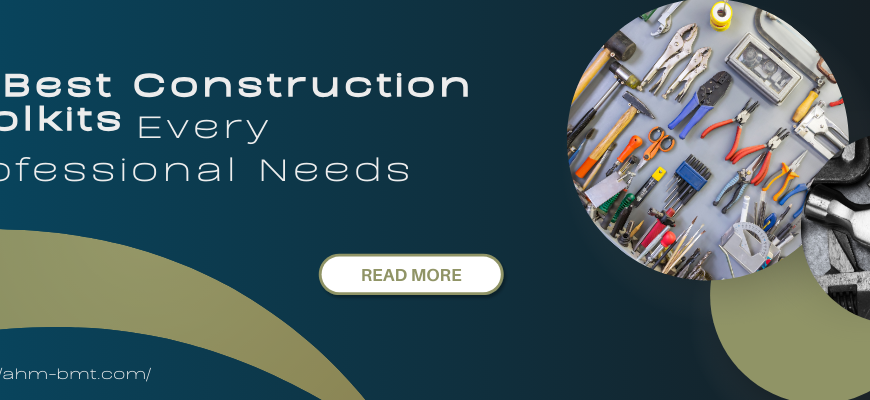
A well-equipped construction toolkit for professionals helps contractors and skilled workers complete tasks accurately, efficiently, and safely. However, the right toolkit is not simply a large collection of tools. A professional construction toolkit should contain practical equipment that matches the user’s trade, daily workload, materials, and job-site conditions.
At AHM BMT, we understand that different professionals require different construction toolkits. Electricians need insulated and testing tools. Plumbers depend on pipe-cutting and tightening equipment. Carpenters require accurate measuring and cutting tools, while general contractors often need versatile construction toolkits for professionals that support several job-site tasks.
Professionals working in Dubai and across the UAE also face demanding conditions. High temperatures, dust, outdoor exposure, and frequent movement between job sites can affect tool performance and maintenance. Therefore, contractors should consider durability, portability, ergonomics, and application suitability when selecting construction tools for professionals.
This guide explains what a professional construction toolkit should include, the essential tools required for different trades, how to select the right equipment, and why choosing reliable construction toolkits for professionals in Dubai and UAE can improve productivity and project efficiency.
What Should Construction Toolkits for Professionals Include?
A construction toolkit for professionals should include the equipment needed to measure, mark, cut, drill, fasten, tighten, repair, install, and maintain materials or equipment.
Most professional construction toolkits include a combination of:
- Hand tools
- Measuring and marking tools
- Cutting tools
- Power tools
- Fastening tools
- Trade-specific equipment
- Suitable safety equipment
The exact contents of a construction toolkit depend on the type of work. A general contractor may require versatile everyday tools, while electricians, plumbers, carpenters, masons, and HVAC technicians need specialised equipment.
The best construction toolkits for professionals focus on the tasks performed most often. This approach helps contractors avoid purchasing unnecessary tools while ensuring that essential equipment remains available when required.
Why Is the Right Construction Toolkit Important?
Construction professionals perform many different tasks during a project. They may measure materials, drill into concrete, cut timber, tighten fittings, install components, or complete maintenance work.
Without suitable construction tools, these tasks can take longer and may lead to poor accuracy, unnecessary rework, wasted materials, and project delays.
A properly selected construction toolkit for professionals can help:
- Improve productivity
- Support accurate measurements
- Reduce unnecessary downtime
- Improve work quality
- Keep essential tools organised
- Simplify movement between job sites
- Reduce unnecessary purchases
The best professional construction toolkit is not always the largest. Instead, it should contain reliable tools that support the actual requirements of the job.
For a broader understanding of essential manual equipment, explore AHM BMT’s guide to best hand tools for building projects.
Essential Hand Tools for Construction Professionals
Hand tools remain an important part of almost every construction toolkit for professionals. Even workers who use advanced power equipment rely on manual tools for adjustment, installation, repairs, assembly, and detailed work.
A basic set of hand tools may include:
- Hammer
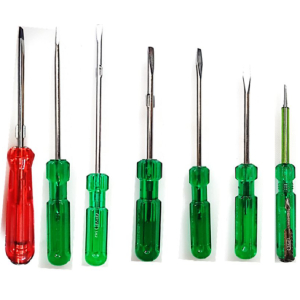
- Screwdriver set
- Combination pliers
- Long-nose pliers
- Adjustable wrench
- Spanners
- Utility knife
- Chisels
- Files
- Hex key set
- Clamps
These tools support a wide range of construction and maintenance applications. However, professionals should choose tools according to their expected workload.
Tools designed for occasional household use may not provide the durability required for demanding commercial projects. Therefore, when building construction toolkits for professionals, contractors should consider material quality, grip, size, strength, and intended application.
Measuring and Marking Tools
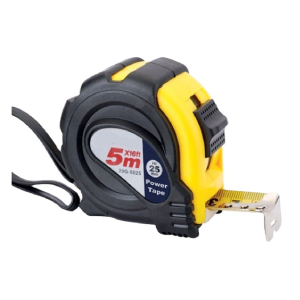
Accurate measurement plays a major role in construction quality. A small measurement error can result in incorrect cutting, poor alignment, wasted materials, and costly rework.
For this reason, a professional construction toolkit should include suitable measuring and marking equipment, such as:
- Measuring tape
- Spirit level
- Combination square
- Speed square
- Chalk line
- Marking pencil
- Laser level where required
These tools help construction professionals maintain accuracy during layout, installation, cutting, and assembly.
A reliable measuring tape and spirit level can support several trades. However, larger or more specialised projects may require advanced levelling and alignment equipment.
When selecting construction toolkits for professionals, measuring tools should never be treated as secondary equipment. Accurate measurement directly supports better project execution.
Power Tools for Construction Projects
Power tools can improve productivity when professionals need to drill, cut, grind, fasten, or complete repetitive tasks.
Common power tools used in construction toolkits for professionals include drill drivers, impact drivers, rotary hammers, angle grinders, circular saws, jigsaws, and demolition breakers.
Drill Drivers and Impact Drivers
A drill driver can support drilling and fastening applications when used with suitable accessories. An impact driver can help professionals drive screws and fasteners efficiently during repetitive installation work.
Both tools are valuable additions to many professional construction toolkits.
Rotary Hammers
Construction professionals often use rotary hammers for demanding drilling applications involving concrete and masonry.
The correct rotary hammer should match the material, drilling requirements, and expected workload.
Angle Grinders
Angle grinders can support cutting, grinding, and surface preparation when professionals use suitable accessories for the intended application.
They are commonly used across construction, fabrication, maintenance, and industrial work.
Circular Saws and Jigsaws
Carpenters and construction professionals may use circular saws for straight cuts and jigsaws for curved or detailed cutting tasks.
For additional information about essential equipment, explore AHM BMT’s guide to must-have power tools for construction.
Professionals should always select power tools according to the material, workload, working environment, and intended application.
Construction Toolkits for Different Professionals
There is no single construction toolkit that suits every professional. The best approach is to build a reliable core toolkit and add trade-specific equipment based on the work performed.
Construction Toolkits for Professionals in Dubai & UAE: Essential Tools by Trade
| Professional | Essential Hand Tools | Important Power or Specialised Tools | Main Applications |
| General Contractor | Hammer, screwdrivers, pliers, wrench, measuring tape | Drill, impact driver, angle grinder | General construction, installation and repairs |
| Electrician | Insulated screwdrivers, pliers, wire cutters | Multimeter, voltage tester, crimping tools | Electrical installation, testing and maintenance |
| Carpenter | Hammer, chisels, hand saw, square, clamps | Circular saw, jigsaw, drill, sander | Cutting, joining and finishing wood |
| Plumber | Pipe wrench, adjustable wrench, pliers | Pipe cutter, tubing cutter, threading tools | Pipe installation, repairs and maintenance |
| Mason | Trowel, chisel, rubber mallet, measuring tape | Rotary hammer, angle grinder | Brickwork, concrete and masonry work |
| HVAC Technician | Screwdrivers, pliers, adjustable wrench | Multimeter, thermometer, tubing cutter | HVAC installation, inspection and maintenance |
| Maintenance Technician | Screwdrivers, hammer, pliers, socket set | Drill and testing equipment | General repairs and facility maintenance |
Construction Toolkit for General Contractors
General contractors often handle or supervise multiple tasks. Therefore, they need versatile construction toolkits for professionals that can support measuring, fastening, installation, adjustment, and general maintenance.
A practical contractor toolkit may include:
- Claw hammer
- Screwdriver set
- Combination pliers
- Adjustable wrench
- Measuring tape
- Spirit level
- Utility knife
- Chalk line
- Combination square
- Hex keys
Depending on the project, contractors can also add drills, impact drivers, grinders, and cutting equipment.
The most effective construction toolkit for a contractor starts with reliable everyday tools. Professionals can then add specialised products according to project requirements.
Construction Toolkit for Electricians
Electricians need specialised construction tools that support installation, testing, maintenance, and repair work.
A typical electrician toolkit may include:
- Insulated screwdrivers
- Combination pliers
- Long-nose pliers
- Wire cutters
- Wire strippers
- Voltage tester
- Multimeter
- Crimping tools
- Measuring tape
- Electrical tape
Electricians should select equipment suitable for electrical applications and follow applicable safety procedures.
Organisation also plays an important role. Electricians often move between work areas, ceilings, plant rooms, and different sections of a project. A well-organised construction toolkit for professionals can help them access frequently used equipment quickly.
Construction Toolkit for Carpenters
Carpenters require construction tools for measuring, cutting, shaping, joining, and finishing materials.
Essential equipment may include:
- Claw hammer
- Hand saw
- Wood chisels
- Measuring tape
- Combination square
- Speed square
- Wood clamps
- Utility knife
- Marking tools
Depending on the project, carpenters may also use circular saws, drills, jigsaws, and sanders.
A carpenter’s construction toolkit should match the materials and type of work involved. Detailed finishing tasks may require precision hand tools, while larger installations may benefit from efficient power equipment.
Construction Toolkit for Masonry and Concrete Work
Masonry professionals work with bricks, blocks, concrete, stone, and other construction materials.
Their professional construction toolkit may include:
- Brick trowel
- Pointing trowel
- Mason’s level
- Rubber mallet
- Jointing tools
- Measuring tape
- Chisels
- Wire brushes
They may also require suitable drilling, cutting, and grinding equipment.
Accurate levelling and alignment remain especially important in masonry work. Therefore, professionals should include reliable measuring and marking tools when building construction toolkits for professionals.
Construction Toolkit for Plumbers
Plumbers need specialised equipment for installing, cutting, tightening, and repairing pipes and fittings.
A professional plumbing toolkit may include:
- Pipe wrench
- Adjustable wrench
- Basin wrench
- Pipe cutter
- Tubing cutter
- Adjustable pliers
- Measuring tape
- Threading tools
- Utility knife
The required construction tools depend on the type of pipework. Metal, plastic, and specialised piping systems may require different cutting, joining, and installation methods.
Therefore, plumbers should build their construction toolkit for professionals around the systems they regularly install or maintain.
Construction Toolkit for HVAC Technicians
HVAC technicians require a combination of hand tools, measuring equipment, and specialised maintenance tools.
A typical toolkit may include:
- Multimeter
- Thermometer
- Tubing cutter
- Adjustable wrenches
- Screwdrivers
- Pliers
- Measuring tools
- Coil maintenance tools
HVAC professionals often work in plant rooms, ceilings, rooftops, and confined spaces. Therefore, portability and organisation can significantly improve efficiency.
A compact and well-planned construction toolkit for professionals helps technicians carry frequently used equipment between work areas without transporting unnecessary tools.
Construction Toolkit for Maintenance Technicians
Maintenance professionals often handle different types of repairs. Therefore, they need versatile construction toolkits that support mechanical work, installations, adjustments, and general maintenance.
A maintenance toolkit may include:
- Screwdriver set
- Adjustable wrench
- Combination pliers
- Hammer
- Measuring tape
- Utility knife
- Socket set
- Hex keys
- Files
- Wire brushes
Depending on the facility and type of work, maintenance teams may also require power tools and testing equipment.
AHM BMT provides useful information about multi-purpose screwdrivers and wrenches, which can support a variety of construction and maintenance applications.
How to Choose the Right Construction Toolkits for Professionals
Choosing construction toolkits for professionals requires more than comparing prices or counting the number of tools included.
Professionals should consider how they will use each tool and what conditions they will face.
Understand Your Daily Work
Start by identifying the tasks you perform most frequently.
Consider whether your work mainly involves:
- Installing
- Repairing
- Cutting
- Drilling
- Measuring
- Fastening
- Maintaining equipment
Then identify the materials you work with regularly.
This approach helps professionals build construction toolkits around actual job requirements rather than purchasing equipment without a clear purpose.
Consider the Materials
The material often determines the type of tool required.
Concrete may require rotary drilling and suitable cutting accessories. Timber work may require saws, chisels, and clamps. Metal applications may require appropriate drilling, cutting, or grinding equipment.
Before purchasing tools, identify the materials involved and select equipment suitable for the intended application.
Choose Tools Based on Workload
A tool used occasionally has different requirements from one used throughout every working day.
Contractors and industrial professionals should consider:
- Durability
- Build quality
- Grip and ergonomics
- Maintenance requirements
- Compatible accessories
- Suitability for frequent use
At AHM BMT, practical tool selection should focus on whether the equipment can support the actual demands of the project.
Consider Portability and Storage
Construction teams often move between different work areas and job sites.
A large collection of unorganised equipment can become difficult to transport. Therefore, professionals should keep frequently used tools in practical toolboxes, tool bags, or protective cases.
Good organisation makes construction toolkits for professionals easier to transport and helps reduce time spent searching for equipment.
Choosing Construction Toolkits for Professionals in Dubai and UAE
Professionals in Dubai and across the UAE should consider local working conditions when selecting construction tools.
High temperatures, fine dust, outdoor exposure, and intensive daily use can affect maintenance requirements and long-term tool performance.
Consider Heat and Outdoor Exposure
Outdoor construction work can expose tools and equipment to demanding temperatures.
Professionals should store their construction tools appropriately when they are not in use and follow manufacturer recommendations regarding operation and storage.
Protect Tools from Dust and Debris
Fine dust and construction debris can affect equipment, particularly tools with moving components.
Regular cleaning and proper storage can help maintain professional construction toolkits and make visible signs of damage easier to identify.
Choose Tools for Professional Workloads
Commercial and industrial projects often place greater demands on equipment than occasional DIY work.
Therefore, contractors should consider durability and application suitability instead of selecting construction tools based only on price.
Plan for Movement Between Job Sites
Contractors and technicians may work across several locations during the day.
A well-organised construction toolkit for professionals makes transportation easier. Professionals should carry essential equipment for the specific task while keeping specialised tools protected until required.
A Practical AHM BMT Tool Selection Checklist
Before purchasing construction tools, professionals should consider several important questions.
What Job Will the Tool Perform?
Choose each tool based on a specific application rather than purchasing equipment without a clear purpose.
How Often Will You Use It?
Daily professional use may require a more durable solution than occasional maintenance.
What Materials Will You Handle?
Concrete, steel, timber, pipes, and electrical components often require different tools and accessories.
Do You Need Compatible Accessories?
Check that drill bits, blades, cutting discs, sockets, and other accessories suit both the tool and the intended application.
Will You Work in Restricted Spaces?
Compact construction tools may provide better access in ceilings, plant rooms, maintenance areas, and other confined locations.
Can You Maintain and Store the Equipment Properly?
Proper storage and maintenance can affect tool condition and long-term performance.
How to Maintain Construction Toolkits for Professionals
A reliable construction toolkit for professionals requires regular maintenance.
Clean Tools After Use
Construction dust, concrete residue, oil, and other materials can build up on tools. Cleaning equipment after demanding work helps maintain its condition.
Inspect Tools Regularly
Check for visible issues such as:
- Cracked handles
- Loose components
- Damaged cables
- Worn cutting edges
- Excessive wear
- Damaged power tool accessories
Address damaged equipment before using it for demanding construction work.
Store Tools Correctly
Avoid leaving construction tools unnecessarily exposed to moisture, dust, or harsh site conditions.
Use suitable toolboxes, bags, cabinets, or protective cases to keep professional construction toolkits organised and protected.
Check Power Tool Accessories
Drill bits, cutting discs, saw blades, and other accessories also require regular inspection.
Replace damaged or excessively worn accessories with suitable replacements for the intended application.
Why Choose AHM BMT for Construction Tools in UAE?
AHM BMT supports contractors, maintenance teams, workshops, construction companies, and industrial buyers with a broad range of products for different project requirements.
Our product categories include:
- Hardware tools
- Building materials
- Construction consumables
- Safety equipment
- Lifting products
- Rigging products
- Industrial supplies
Construction projects often require more than one category of products. A contractor may need hand tools and power tools for installation, consumables for daily work, safety products for site requirements, and additional equipment for maintenance or material handling.
AHM BMT helps professional buyers source products across these requirements. You can also explore our construction consumables store for products that support everyday construction and maintenance work.
For businesses operating in Dubai and across the UAE, AHM BMT provides access to a broad range of construction tools for professionals and other essential construction and industrial supplies.
Conclusion
The right construction toolkits for professionals help contractors and skilled workers complete projects with better efficiency, accuracy, and organisation. However, there is no single construction toolkit that suits every trade.
Electricians, plumbers, carpenters, masons, HVAC technicians, maintenance teams, and general contractors all require different combinations of hand tools, measuring equipment, power tools, and specialised products.
The best approach is to start with reliable everyday construction tools and then build a professional construction toolkit around the specific requirements of the trade, materials, workload, and working environment.
For contractors and professional buyers in Dubai and across the UAE, AHM BMT supports a wide range of construction and industrial requirements with hardware tools, building materials, construction consumables, safety equipment, lifting products, rigging products, and other essential supplies.
Q1. What should construction toolkits for professionals include?
Ans. Construction toolkits for professionals should include essential hand tools, measuring equipment, cutting tools, fastening tools, and suitable power tools. The exact selection depends on the user’s trade, materials, and daily work.
Q2. What tools should a contractor buy first?
Ans. A contractor can start with a hammer, screwdrivers, pliers, an adjustable wrench, measuring tape, spirit level, and utility knife. They can then add specialised tools and power equipment based on project requirements.
Q3. What is the best construction toolkit for professionals?
Ans. The best construction toolkit for professionals depends on the profession. General contractors need versatile tools, while electricians, plumbers, carpenters, masons, and HVAC technicians require specialised equipment.
Q4. Which power tools are most useful for construction?
Ans. Common power tools used in construction toolkits for professionals include drill drivers, impact drivers, rotary hammers, angle grinders, circular saws, and jigsaws.
Q5. How do UAE conditions affect construction tool selection?
Ans. High temperatures, dust, outdoor exposure, and frequent use can influence tool maintenance and storage. Professionals should consider durability, portability, and suitable care when selecting construction tools in Dubai and the UAE.
Q6. How often should construction tools be inspected?
Ans. Professionals should inspect construction tools regularly and before demanding work. The inspection process should follow the equipment type, manufacturer guidance, workplace procedures, and applicable requirements.